
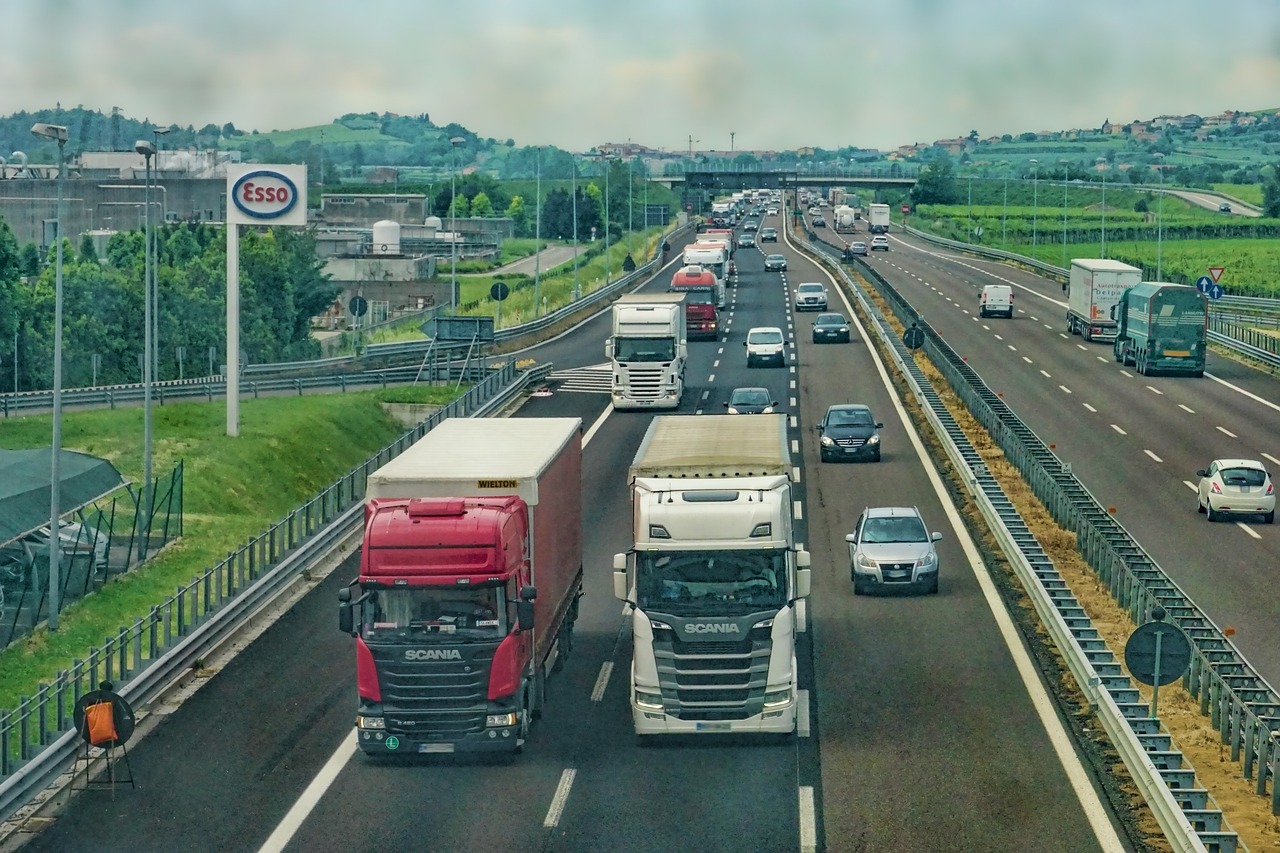

Enhancing fuel efficiency is a crucial factor for achieving success in the transport and haulage industry. According to recent research, fuel accounts for nearly 30% of the total operating expenses for most commercial fleets. Therefore, improving fuel efficiency can lead to significant cost savings and increased profitability. Moreover, optimizing fuel usage also contributes to environmental protection by reducing carbon emissions and pollution levels.
One of the most effective ways to boost vehicle fuel efficiency within your transport or haulage business is by adopting smart driving practices. Whether your fleet consists of lorries, buses, or vans, providing your drivers with the following tips will help enhance fuel efficiency across your operations.
6 Tips for Boosting Fleet Fuel Efficiency
When your drivers hit the road next, encourage them to follow these six tips to ensure their journey is as fuel-efficient as possible:
Anticipate Traffic and Hazards
A key characteristic of a smart driver is the ability to anticipate road hazards in advance. When drivers fail to plan for potential dangers, they often resort to erratic driving, such as sharp braking and sudden acceleration. This “stop-go” driving style leads to increased fuel consumption. By spotting potential hazards early and maintaining a safe following distance, drivers can avoid frequent acceleration and improve overall fuel efficiency.
Make Use of Momentum
Modern vehicles often have technology that recognizes when momentum is propelling the vehicle forward, such as when driving downhill or slowing down. In these situations, fuel is cut off from the engine to improve efficiency. Instead of coasting in neutral (which still burns fuel to keep the engine running), drivers should maintain the appropriate gear and take their foot off the accelerator.
However, this method isn’t effective when driving at low revs, such as in stop-start traffic, where shifting to neutral or disengaging the clutch is more efficient.
Control Speed and Minimize Air Resistance
As vehicle speed increases, air resistance (or drag) also rises, leading to higher fuel consumption. At motorway speeds, most of the fuel used is spent overcoming drag. To reduce fuel consumption, drivers should avoid rapid acceleration and excessive speeds. Installing wind deflectors on vehicles can further help reduce drag. Additionally, keeping the engine revs within the optimal range (the “green band”) can improve fuel efficiency.
Maintain Proper Tyre Pressure
Under-inflated tyres create more rolling resistance, causing the engine to work harder and consume more fuel. To prevent this, drivers should ensure that tyres are correctly inflated during their daily vehicle checks. Proper tyre maintenance not only improves fuel efficiency but also enhances safety and extends the lifespan of the tyres.
Use Air Conditioning Wisely
Air conditioning systems draw power from the vehicle’s engine, which increases fuel consumption. Once the cabin temperature has been lowered, the air conditioning system doesn’t need to work as hard to maintain it. Encourage drivers to use air conditioning sparingly, and consider setting a minimum temperature for climate control. Also, drivers should avoid running the air conditioning while keeping the windows open, as this can further reduce fuel efficiency.
Turn Off the Engine When Stationary
Research has shown that turning off the engine when the vehicle is stationary for 10 to 20 seconds can save fuel compared to idling. However, drivers should ensure that it is safe and practical to turn off the engine before doing so. While this can reduce fuel consumption, safety should always be the top priority, and drivers should never compromise safety for fuel savings.
By following these simple yet effective strategies, your drivers can make a substantial difference in your fleet’s fuel efficiency and overall operational costs.
Save On Your Fleet Insurance Policy
If you have multiple vehicles in your business and you’re not on a fleet insurance policy, this is another area that you could save money. A fleet insurance can save you money but also time, your vehicles will all have one renewal date and you can have any driver policies. Any driver policy means that any driver to who you give permission to, can save any vehicle that’s on your fleet if they meet the insurance policy criteria.
If you already have fleet insurance and your renewal is coming up, contact us to see if we can save on it. We’re a team of fleet insurance specialists with experience of business fleet insurance across multiple sectors – we’re confident that we can save you money!
Call us on 01270 449449 or complete our fleet insurance enquiry form.